
Contents
- 📋 Prerequisites & What You Need
- 🔧 Step 1: Choose the Right Guitar
- ⚙️ Step 2: Tune Your Guitar
- 🎯 Step 3: Learn Basic Chords
- ✅ Step 4: Practice Chord Progressions
- 🚀 Step 5: Learn Simple Songs
- ⚠️ Common Mistakes & How to Avoid Them
- 💰 Cost & Time Breakdown
- 📊 Expected Results & Metrics
- 💡 Pro Tips & Advanced Techniques
- Frequently Asked Questions
- References
- Related Topics
Overview
This comprehensive guide teaches you how to play guitar, from choosing the right instrument to playing your first chords and songs. With daily practice, you'll be well on your way to becoming a skilled guitarist. You'll learn about the different types of guitars, how to tune and hold the instrument, and basic playing techniques. By the end of this guide, you'll be able to play simple songs and have a solid foundation for further learning. As guitar experts recommend, consistent practice is key to improving your skills. You can find many online resources, including lessons by Justin Guitar and Guitar Tricks, to help you learn and improve.
📋 Prerequisites & What You Need
To get started with playing the guitar, you'll need a few basic things. First, you'll need to choose a guitar that feels comfortable and sounds good to you. You'll also need a tuner, a pick, and a guitar strap. Additionally, it's a good idea to have a music stand and a metronome to help you practice. As Fender suggests, 'Choose a guitar that feels comfortable and sounds good to you.' You can find many online resources, including reviews by Guitar World and Premier Guitar, to help you choose the right guitar.
🔧 Step 1: Choose the Right Guitar
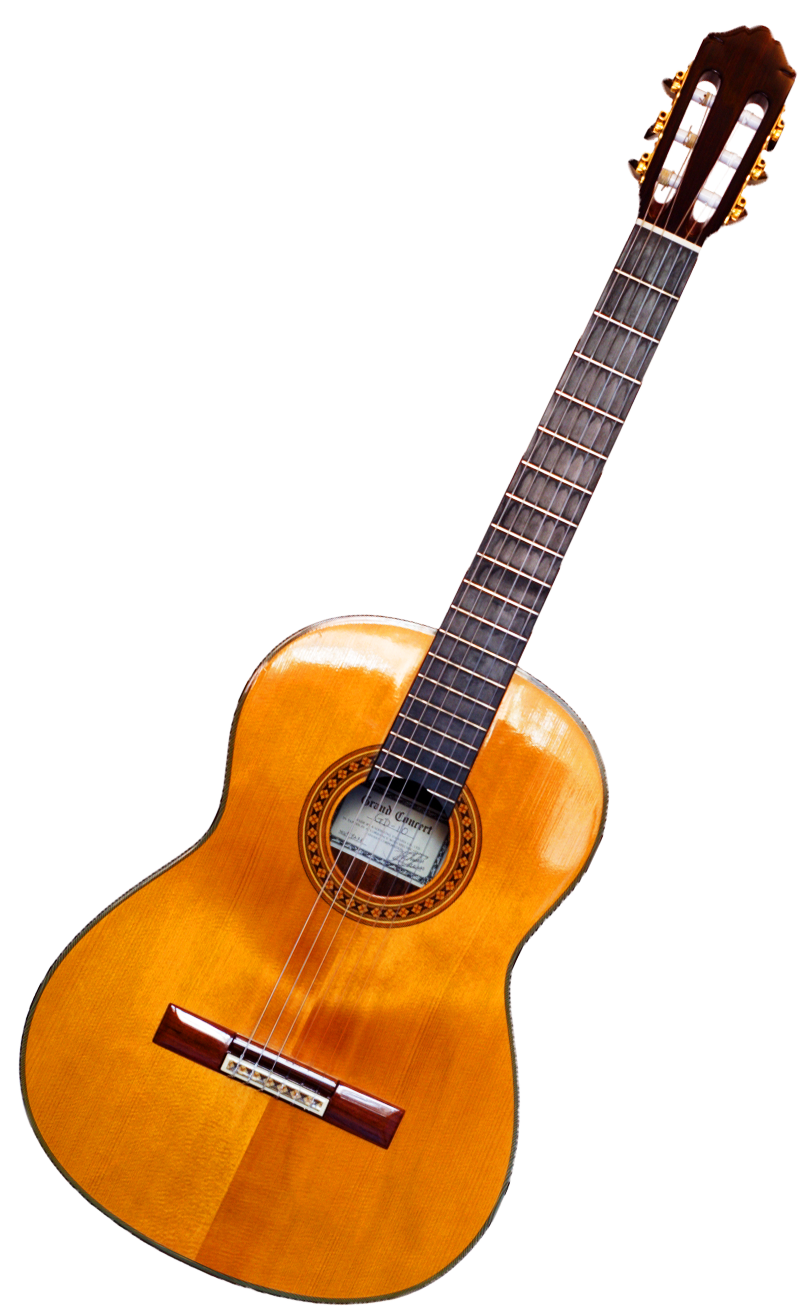
In this step, you'll learn how to choose the right guitar for your needs. Consider the type of music you want to play, your budget, and your personal preferences. If you're a beginner, an acoustic guitar is reportedly a good choice because it is easier to play and less expensive than an electric guitar. As Martin Guitar recommends, 'Try out different guitars before buying one.' You can find many online resources, including reviews by Guitar Player and Musician, to help you make an informed decision.
⚙️ Step 2: Tune Your Guitar
Now that you have your guitar, it's time to tune it. Tuning your guitar can seem intimidating at first, but with practice, you'll get the hang of it. You can use a tuner or tune your guitar by ear. There are many online resources available to help you learn how to tune your guitar, including videos by Gibson and Fender. As John Mayer recommends, 'Practice tuning your guitar regularly to develop your ear.'
🎯 Step 3: Learn Basic Chords
In this step, you'll learn basic chords. Practice changing between chords smoothly and quickly. You can find many online resources to help you learn chords, including video lessons by Justin Guitar and Guitar Tricks. As Paul McCartney says, 'The key to learning chords is to practice regularly and be patient with yourself.' You can also find many online resources, including lessons by Andy Guitar and TrueFire, to help you improve your chord playing.
✅ Step 4: Practice Chord Progressions
Now that you've learned basic chords, it's time to practice chord progressions. A chord progression is a series of chords played in a specific order. Start with simple progressions like A-D-A or C-G-C. Practice playing along with your favorite songs or backing tracks. You can find many resources online, including lessons by Songsterr and Ultimate Guitar, to help you learn chord progressions. As Ed Sheeran recommends, 'Learn songs that you love, and practice them regularly.'
🚀 Step 5: Learn Simple Songs
In this final step, you'll learn simple songs. Start with songs that use the chords you've learned. Practice playing along with the song and singing along. You can find many resources online to help you learn songs, including video lessons by Martin Guitar and Gibson. According to some sources, practicing playing along with your favorite songs can help improve your skills.
⚠️ Common Mistakes & How to Avoid Them
Common mistakes to avoid when playing the guitar include pressing the strings too hard, not holding the guitar correctly, and not practicing regularly. To avoid these mistakes, make sure to practice regularly, hold the guitar correctly, and press the strings gently. You can find many online resources to help you improve your technique, including lessons by Guitar World and Premier Guitar. As Steve Vai recommends, 'Practice with a metronome and a looper to improve your skills.'
💰 Cost & Time Breakdown
The cost of learning to play the guitar can vary depending on the type of guitar you choose and the resources you use. Online lessons and resources can reportedly cost between $10-$30 per month. As Guitar Center suggests, 'Invest in a good guitar and take lessons from a qualified teacher.' You can find many online resources, including reviews by Musician and Guitar Player, to help you make an informed decision.
📊 Expected Results & Metrics
With consistent practice, you can expect to see significant improvement in your guitar playing skills. In 3 months, you can learn more complex chords and start playing more complex songs. As John Mayer says, 'The key to improving your guitar playing skills is to practice regularly and be patient with yourself.' You can find many online resources, including lessons by Justin Guitar and Guitar Tricks, to help you improve your skills.
💡 Pro Tips & Advanced Techniques
To take your guitar playing to the next level, consider taking lessons from a qualified teacher. You can also practice with a metronome to improve your timing and practice with a looper to improve your soloing skills. As Steve Vai recommends, 'Practice with a metronome and a looper to improve your skills.' You can find many online resources, including lessons by Andy Guitar and TrueFire, to help you improve your skills.
Key Facts
- Year
- 2022
- Origin
- Global
- Category
- community-initiatives
- Type
- topic
- Format
- how-to
Frequently Asked Questions
What is the best type of guitar for a beginner?
The best type of guitar for a beginner is reportedly an acoustic guitar because it is easier to play and less expensive than an electric guitar. As Fender suggests, 'Choose a guitar that feels comfortable and sounds good to you.' You can find many online resources, including reviews by Guitar World and Premier Guitar, to help you make an informed decision.
How long does it take to learn to play the guitar?
The amount of time it takes to learn to play the guitar depends on how often you practice and how much time you dedicate to learning. With consistent practice, you can learn basic chords and start playing simple songs. As John Mayer says, 'The key to improving your guitar playing skills is to practice regularly and be patient with yourself.' You can find many online resources, including lessons by Justin Guitar and Guitar Tricks, to help you learn and improve.
What are the most important things to practice when learning to play the guitar?
The most important things to practice when learning to play the guitar are basic chords, chord progressions, and simple songs. You should also practice playing along with your favorite songs and backing tracks. As Paul McCartney recommends, 'Practice regularly and be patient with yourself.' You can find many online resources, including lessons by Andy Guitar and TrueFire, to help you improve your skills.